


What if the true luxury in perfume wasn’t the bottle or the brand name but the land itself?
In an era where fragrance lovers are questioning what goes into their scents and where those ingredients come from, Mallorca has quietly emerged as a living laboratory for a new kind of perfumery. One rooted in regenerative farming, emotional science, and deep respect for nature.
This is the story of how regenerative farming in Mallorca is redefining botanical quality, sustainability, and the creative soul of fine fragrance.
Mallorca: More Than a Destination, a Fragrance Ecosystem
Mallorca’s Mediterranean climate, sun-drenched days, mineral-rich soil, and cooling sea winds, creates ideal conditions for aromatic plants to thrive. But what truly sets Mallorca fragrance ingredients apart is how they are grown.
Instead of extractive agriculture that depletes the land, regenerative farming restores it. This approach transforms the island into a natural incubator for high-impact botanical sourcing in fragrance creation.
Key characteristics of Mallorca’s regenerative environment include:
-
High biodiversity of wild aromatic plants
-
Minimal irrigation due to resilient soil systems
-
Natural pest control through ecosystem balance
-
Slower, more concentrated botanical growth
These factors directly influence oil yield, aroma complexity, and emotional depth in perfume formulations.
Regenerative Farming Fragrance: What Does It Really Mean?
Regenerative farming fragrance goes beyond “organic” labels. It’s a holistic system that rebuilds soil health, captures carbon, and enhances plant vitality while producing ingredients with superior aromatic profiles.
Core principles behind regenerative agriculture perfume:
| Core Principle | What It Means for Perfumery |
|---|---|
| Living soil | Microorganisms enhance nutrient absorption, resulting in richer and more complex plant oils |
| No chemical interference | Botanicals express their full olfactive spectrum without synthetic disruption |
| Seasonal harvesting | Fragrance production aligns with natural growth cycles for peak aromatic expression |
| Closed-loop systems | Agricultural waste is reused as nourishment, reducing pollution and improving sustainability |
In perfumery, this translates to ingredients that are not just cleaner—but more expressive, layered, and emotionally resonant.
5 Ways Regenerative Farming Elevates Fine Fragrance Quality

1. Healthier Soil Creates More Complex Aromas
Living soil is rich in microorganisms that directly affect plant vitality. Healthier plants produce essential oils with deeper olfactive profiles—more facets, more movement, more soul.
2. Slower Growth Means Richer Botanical Character
Unlike industrial farming, regenerative systems respect natural growth cycles. This slowness allows plants to fully develop their aromatic compounds, reinforcing botanical sourcing fragrance integrity.
3. Biodiversity Enhances Olfactive Nuance
Wild herbs, flowers, and native plants growing together influence each other. This natural interaction creates subtle aromatic variations that cannot be replicated synthetically.
4. Ethical Harvesting Preserves Plant Potency
Harvesting in tune with seasonal and lunar cycles ensures botanicals are collected at peak aromatic expression, not just peak yield.
5. Transparency Builds Trust and Authenticity
Consumers seeking sustainable perfumery increasingly value traceability. Knowing exactly where and how ingredients are grown adds meaning—and credibility—to the scent.
From Soil to Still: Botanical Integrity in Action
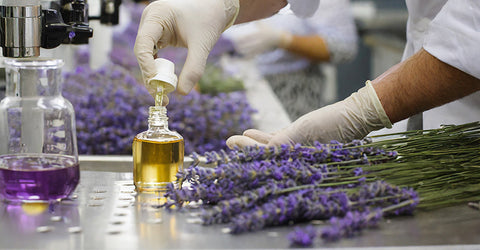
Once harvested, botanicals undergo gentle, slow distillation processes designed to protect their natural structure. This method preserves delicate top notes and complex heart facets often lost in fast, high-heat extraction.
By honoring the botanical’s original form, regenerative farming fragrance practices ensure the final perfume remains true to its source—aromatic, expressive, and alive.
The Emotional Science Behind Natural Scent
Scent is processed directly by the limbic system—the part of the brain responsible for memory and emotion. This is where aromachology comes in: the science of how scent influences mood, behavior, and emotional states.
Natural, regeneratively grown botanicals often produce clearer emotional responses because they lack the harsh, synthetic elements that can overwhelm the senses. Instead, they offer balance—calming, uplifting, grounding, or energizing depending on the composition.
Sustainability Beyond Ingredients: A Holistic Philosophy
True sustainable perfumery doesn’t stop at farming. It extends into:
-
Low-impact production methods
-
Small-batch craftsmanship
-
Reduced waste and mindful packaging
-
Long-term land stewardship
Regenerative agriculture perfume creation aligns environmental responsibility with luxury, not as opposing forces, but as complementary values.
Who Is Drawn to Regenerative Fine Fragrance?
This approach resonates strongly with:
-
Fragrance collectors seeking authenticity and rarity
-
Design- and experience-driven consumers
-
Environmentally conscious luxury buyers
-
Hospitality and wellness brands wanting meaningful ambient scenting
-
Individuals looking for bespoke perfumes rooted in personality and place
For these audiences, fragrance becomes more than adornment, it becomes an emotional and ethical statement.
Where Art, Science, and Nature Converge: Viti Vinci
This philosophy is embodied by Viti Vinci, a niche fragrance house that seamlessly blends aromachology, regenerative farming, and artistic perfumery. Drawing many of its botanical ingredients directly from a regenerative wild farm in Mallorca, Viti Vinci treats fragrance creation as both a scientific discipline and an emotional art form.
Their collection spans perfumes, candles, and diffusers, alongside bespoke fragrance services tailored to individuals, brands, and spaces. Every creation is rooted in 100% natural, botanical ingredients, crafted to influence mood, elevate environments, and tell deeply personal scent stories.
In a fragrance world often driven by trends and volume, Viti Vinci stands apart by honoring the land, respecting emotion, and redefining what modern luxury truly smells like.
Frequently Asked Questions About Regenerative Farming in Perfumery
What is regenerative farming in fragrance?
Regenerative farming in fragrance is an agricultural method that restores soil health, increases biodiversity, and produces higher-quality botanical ingredients for perfumery.
Why is regenerative farming better for perfume ingredients?
Healthier soil and slower plant growth create essential oils with greater aromatic depth, complexity, and emotional impact.
Why is Mallorca important for botanical perfumery?
Mallorca’s Mediterranean climate, mineral-rich soil, and biodiversity make it ideal for growing high-quality fragrance botanicals using regenerative practices.
How is regenerative perfumery different from organic perfume?
Organic perfume avoids chemicals, while regenerative perfumery actively rebuilds ecosystems and enhances long-term sustainability and scent quality.
Do regeneratively grown botanicals smell different?
Yes. They offer more nuanced, evolving, and natural scent profiles compared to synthetically produced ingredients.
What is aromachology in natural fragrance?
Aromachology studies how scent affects mood and emotion. Natural botanicals often create clearer emotional responses due to their purity.
Is regenerative perfumery considered luxury?
Yes. It represents a modern luxury focused on quality, traceability, sustainability, and emotional depth.
Who chooses regenerative fine fragrance?
Collectors, conscious luxury consumers, wellness brands, and those seeking authentic, place-driven scents.
How does Viti Vinci use regenerative farming?
Viti Vinci sources botanical ingredients from a regenerative wild farm in Mallorca to create natural perfumes, candles, and diffusers rooted in emotion and sustainability.