


If art could breathe, what would it smell like?
This provocative question captures the essence of a rising trend that is transforming gallery spaces and immersive exhibitions around the world. Fragrance, once considered a luxury accessory, is now emerging as a bold artistic material, one capable of shaping narrative, emotion, and atmosphere with invisible precision.
These multi-sensory exhibitions invite visitors to explore art not only visually but olfactorily, creating deeper emotional resonance. Artists and perfumers are weaving scent into installations in ways that heighten presence, spark memory, and guide interpretation.
As the boundary between fragrance and art blurs, a captivating new frontier opens, one where scent storytelling becomes central to the creative experience.
Why Fragrance Is Becoming a Powerful Artistic Medium?
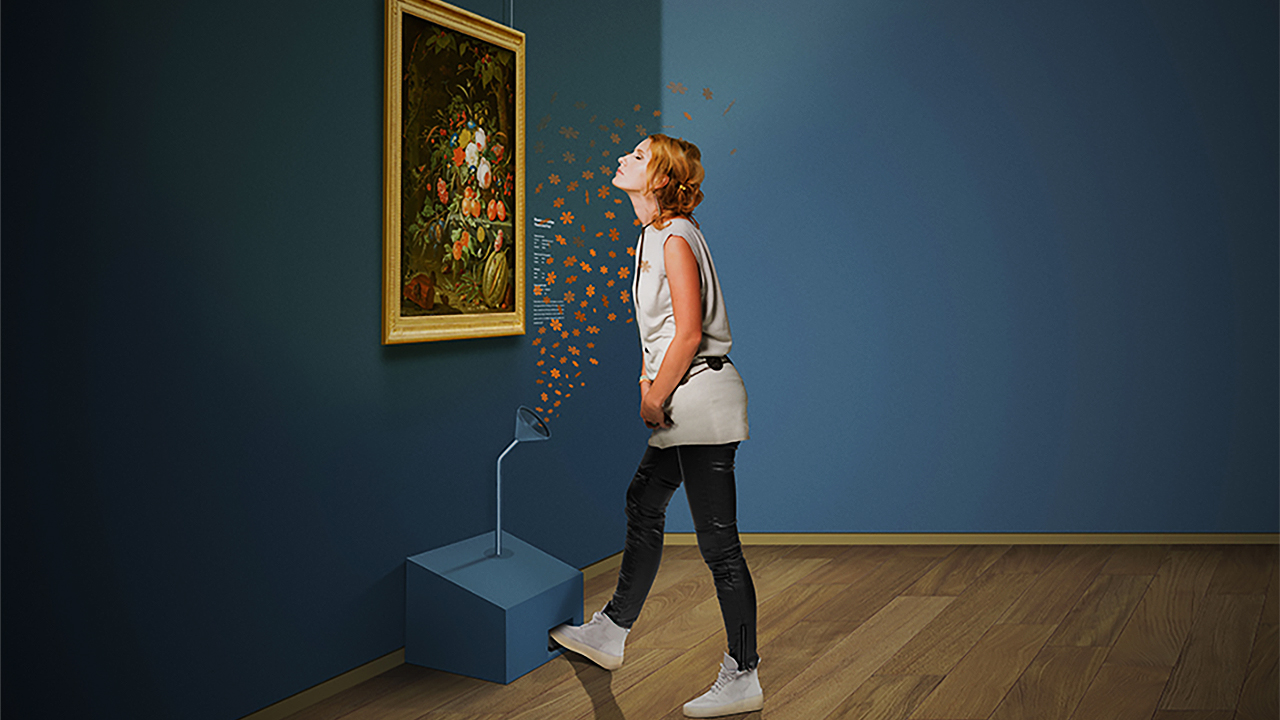
Fragrance reaches the human brain faster than sight or sound. It travels directly to the limbic system, the part responsible for emotion and memory. This makes scent a tool that can instantly transport visitors into different emotional or historical states.
Unlike traditional visual art, fragrance doesn’t require interpretation. You don’t need to “understand” it, you simply feel it.
This immediacy gives artists a unique power:
-
To trigger nostalgia
-
To create tension or comfort
-
To guide audiences through a narrative
-
To evoke places, moments, and memories
In essence, fragrance becomes a storytelling device, deepening the emotional impact of the installation.
The Rise of Multi-Sensory Exhibitions
Museums and galleries around the world are increasingly using fragrance to enhance immersive exhibitions. These environments combine scent with visual art, soundscapes, digital projections, and spatial design to craft a holistic experience.
For example:
-
A room filled with crisp pine and cool mist aromas can transport visitors into an imagined forest.
-
A historical installation may recreate the scent of old manuscripts or ancient spices to ground visitors in a particular era.
-
Futuristic exhibitions use synthetic notes, metallic, digital, or ozone-based scents, to create sensations of space or technology.
In each case, fragrance becomes an invisible layer of storytelling that changes how audiences move, react, and emotionally connect with the art.
Artists and Perfumers: A New Creative Collaboration
This new frontier has also sparked a powerful collaboration between two worlds: artists and perfumers.
Artists bring conceptual narratives, emotional themes, and spatial design. Perfumers bring olfactory mastery, the chemistry of smell, and the ability to translate feelings into scent compositions.
Together, they create:
-
Scent-driven sculptures
-
Interactive smell stations
-
Rooms that shift fragrance as visitors move
-
Narrative-based fragrance trails
-
Art pieces that respond to temperature, humidity, or motion using scent
This partnership repositions fragrance from a commercial product to a form of artistic expression.
How Scent Shapes Visitor Emotions and Behavior?
Fragrance naturally influences how people feel and move within spaces, and research shows that nearly 75% of our daily emotions are evoked by scent. A well-crafted olfactory environment can:
-
Increase time spent inside an installation
-
Enhance emotional engagement
-
Create “anchor points” that people remember vividly
-
Guide visitors along a path without physical markers
For example, warm gourmand scents (vanilla, caramel) can make a space feel inviting, while sharp menthol or citrus notes can create alertness or excitement. Earthy, smoky scents may evoke tension, mystery, or introspection.
This emotional shaping makes fragrance an incredibly effective artistic tool.
Not Just Art—A Shift in Cultural Experience
Olfactory installations are changing how audiences think about culture, creativity, and sensory experience.
Visitors no longer passively observe; they participate. They breathe the art, become part of the atmosphere, and connect through deeply personal reactions. No two people experience scent the same way, making every visit unique.
This shift also reflects broader trends:
-
The rise of experiential art
-
Growing interest in mindfulness and sensory wellness
-
Increasing appreciation for craft perfumery
-
Demand for immersive storytelling spaces
Together, they’re driving museums and exhibitions to embrace fragrance as a dynamic artistic medium.
The Future of Scented Art Installations
As technology evolves, so will the possibilities. What we consider “immersive” today will soon feel elementary compared to the multi-sensory universes artists and perfumers are poised to create. Expect innovations like:
- AI-generated scent compositions that can analyze visitor behavior, emotional cues, or environmental data to create fragrances that shift in real time.
- Wearable olfactory devices that personalize an exhibition, each visitor receiving a slightly different “scent storyline” based on their pace, choices, or mood.
- VR and AR experiences infused with scent diffusion, allowing virtual worlds to feel physically grounded through smell, bridging digital and physical immersion like never before.
- Interactive fragrance sculptures where scent responds to touch, proximity, or sound, turning aroma into a kinetic, responsive artistic element.
- Scent-driven spatial narratives that evolve moment-to-moment, guiding visitors, signalling transitions, or reshaping emotional tone through algorithmic control.
Artists and perfumers will continue to push boundaries, creating worlds where scent shapes emotion as powerfully as light, sound, and color.
A New Chapter in Artistic Expression
The evolution of multi-sensory exhibitions proves one thing: fragrance has earned its place on the artistic stage.
Whether diffused subtly through a gallery or used as the central narrative of an installation, scent has the power to transform passive viewing into emotional participation. It brings depth to storytelling, anchors memory, and elevates artistic intention in unforgettable ways. As perfumers and creators continue shaping this frontier, our relationship with both scent and art will only grow richer.
Discover how fragrance can shape your world, reach out to Viti Vinci for a true olfactory journey.